
World Ecology recognition reflected in CSC's rangeland legacy
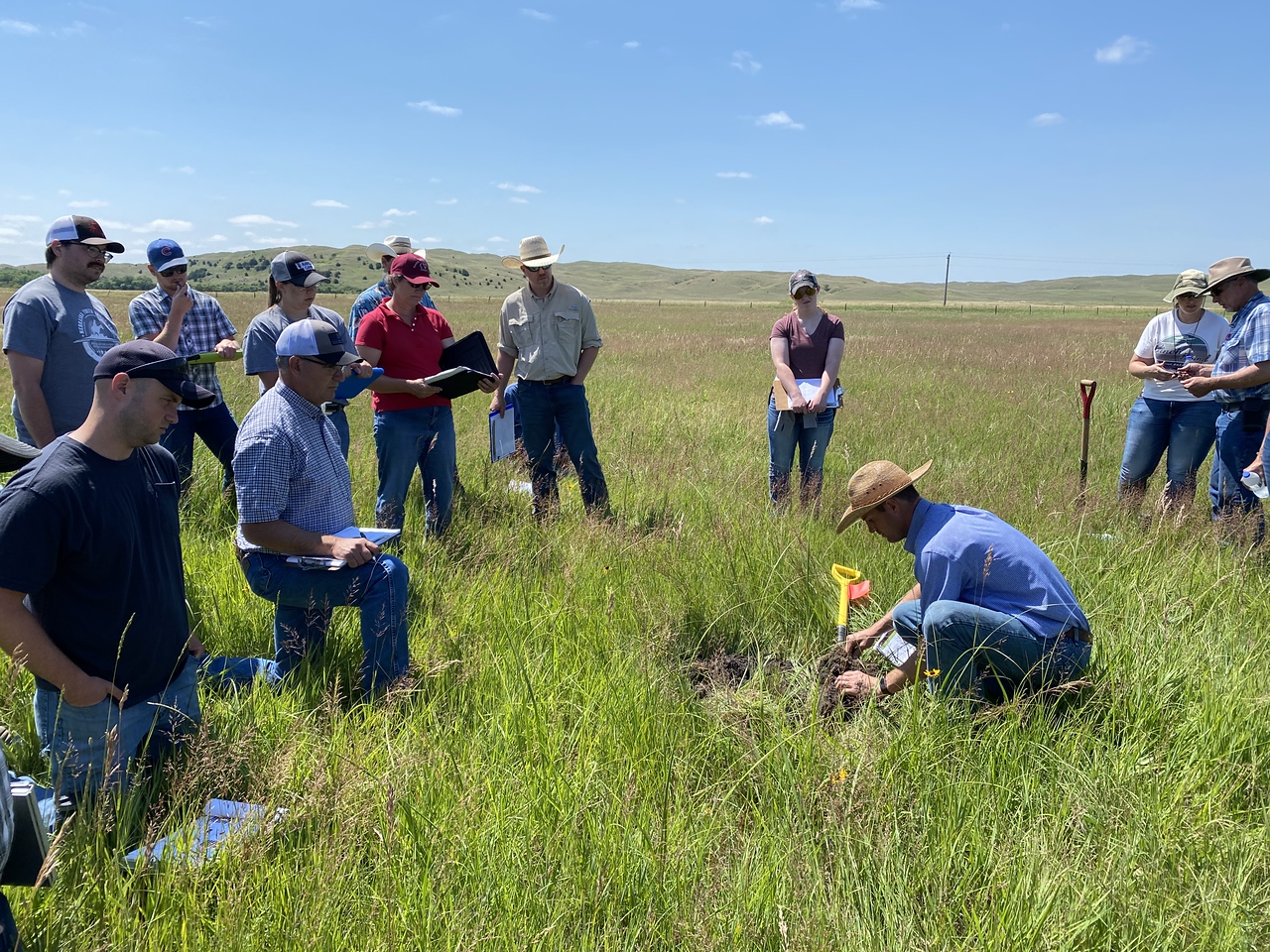
CHADRON — As World Ecology Day is recognized this month, Chadron State College celebrates a legacy rooted in understanding the relationship between healthy ecosystems and sustainable agriculture.
That legacy extends beyond the classroom. The late Dr. Jim O'Rourke, one of the founders of CSC's Range Management Program, was a leading advocate in the effort that ultimately helped the United Nations designate 2026 as the International Year of Rangelands and Pastoralists. His work underscored the importance of rangelands to food production, biodiversity, climate resilience and rural communities around the world.
Today, that philosophy continues through two 2006 graduates whose careers focus on conserving natural resources while supporting agricultural production.
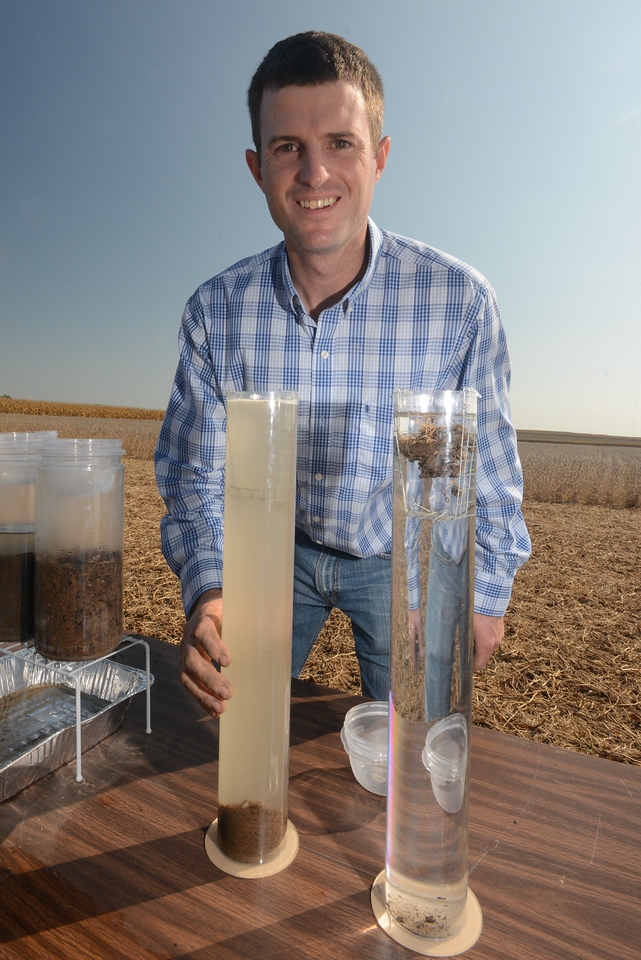
Aaron Hird, national pastureland assessment leader for the Conservation Effects Assessment Project for Grazing Land with the U.S. Department of Agriculture’s Natural Resources Conservation Service in Lincoln, and Lance Shutte, range and forage production manager with the U.S. Agricultural Research Service Meat Animal Research Center in Clay Center, say the ecological principles they learned at Chadron State continue to shape their work.
For Hird, CSC’s location at the intersection of the Nebraska Sandhills, Shortgrass Prairie and Pine Ridge transformed the surrounding landscape into a living classroom.
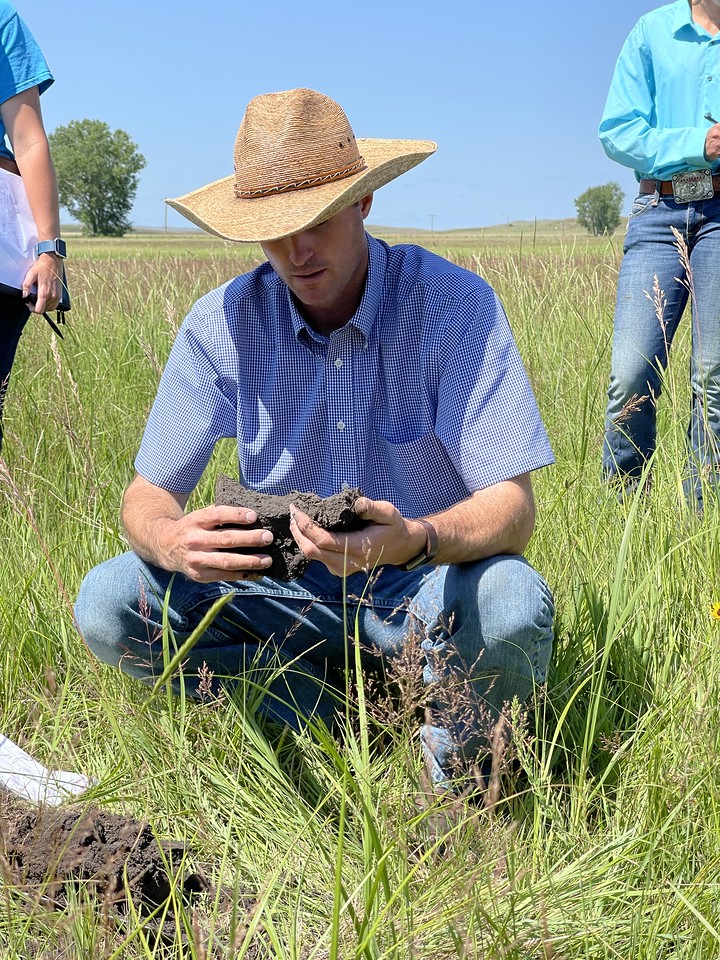
“At Chadron State, I learned that ecology is the starting point of understanding agricultural potential,” Hird said. “Agriculture technology and inputs can alleviate some production-limiting factors, but ecology ultimately determines what a landscape can sustainably support.”
Shutte said his coursework prepared him to understand why different plant communities thrive under different environmental conditions, knowledge he now relies on to evaluate forage species and grazing systems.
“My college experience taught me that there are a wide variety of ecosystems, and each has its own nuances,” Shutte said. “I use that knowledge every day to determine which perennial and annual plant species are best suited to our environment.”
Both alumni define sustainable agriculture as producing consistent results while protecting the health of the land for future generations.
Hird said sustainability means maintaining healthy ecosystem functions while allowing agricultural producers to remain economically successful.
“Sustainable agriculture is about consistent yields spanning lifetimes and generations of land management,” he said. “The continued capacity of the ecosystem to function benefits both the land and the people who depend on it.”
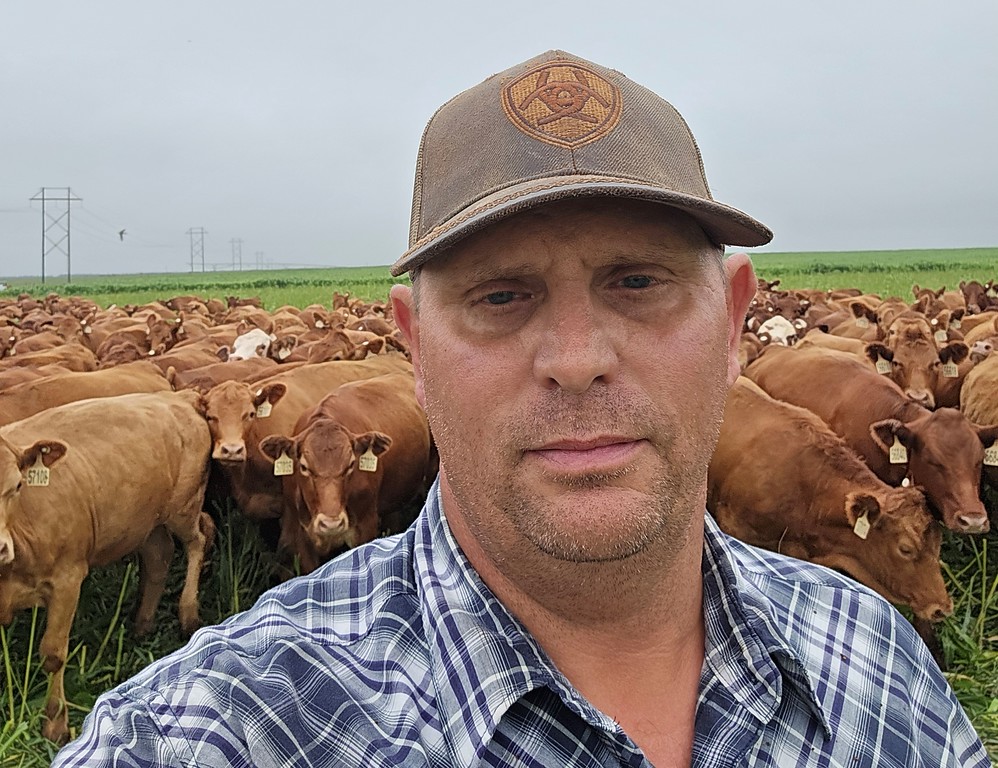
Shutte sees sustainability through the daily management of grazing livestock. His operation uses management-intensive rotational grazing while adjusting stocking rates to match annual precipitation.
“We can only maintain higher stocking rates by adapting to weather conditions,” Shutte said. “Being able to achieve high harvest efficiencies year after year without additional inputs, such as commercial nitrogen fertilizer, is what sustainable agriculture means to me.”
Both alumni said experience has taught them that healthy ecosystems are dynamic, requiring observation, adaptation and long-term stewardship.
Hird said one of the most important lessons from his two decades in conservation has been recognizing the natural cycles of growth, maturity, disturbance, and renewal.
“Chuck Butterfield [former CSC professor] always told us to be observant and stay curious," Hird said. “It takes time to understand those ecological patterns and learn how to anticipate them.”
Shutte said producers also must continually adapt, adjusting grazing management to changing conditions such as drought and variable precipitation to protect grasslands while maintaining productivity.
Looking ahead, both alumni believe today’s agriculture students will play a vital role in addressing future ecological challenges.
Hird encourages students to remember that everyone lives within an ecosystem, and every decision ultimately affects the land.
“Students bring new energy, new information and new ideas,” Hird said. “That perspective is why internships and mentoring programs matter so much.”
Shutte echoed the importance of gaining practical experience.
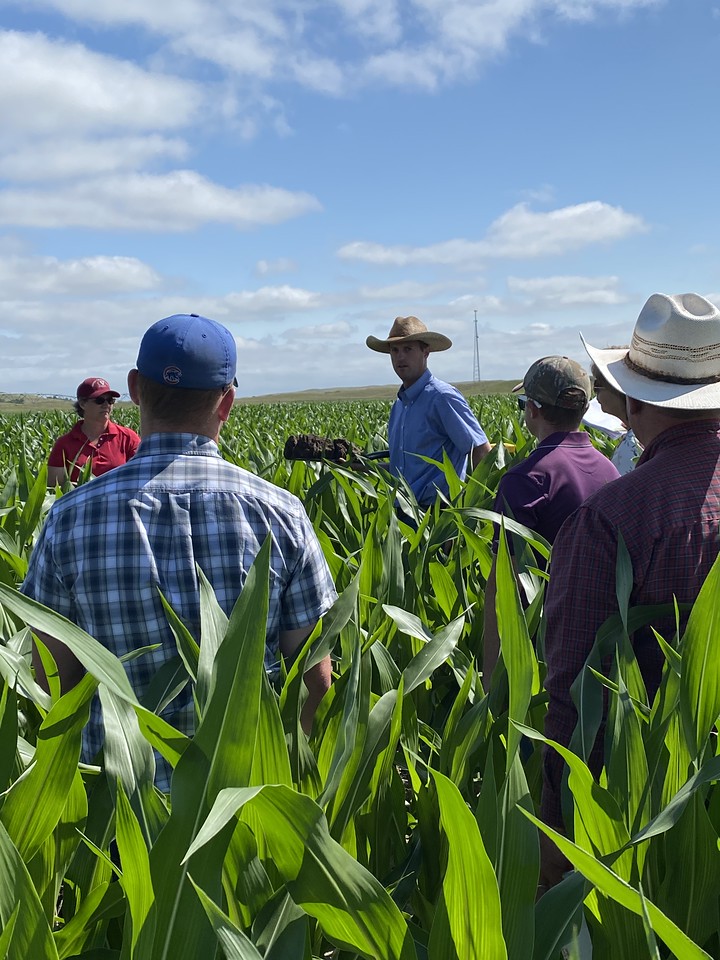
“There are a host of ecological issues producers face, from drought to flooding,” Shutte said. “Students need to get out into the world and experience those challenges alongside producers. That’s where they begin to understand how ecology and agriculture work together.”

Category: Range Management