
Wilson helps connect behavioral health students, providers across panhandle
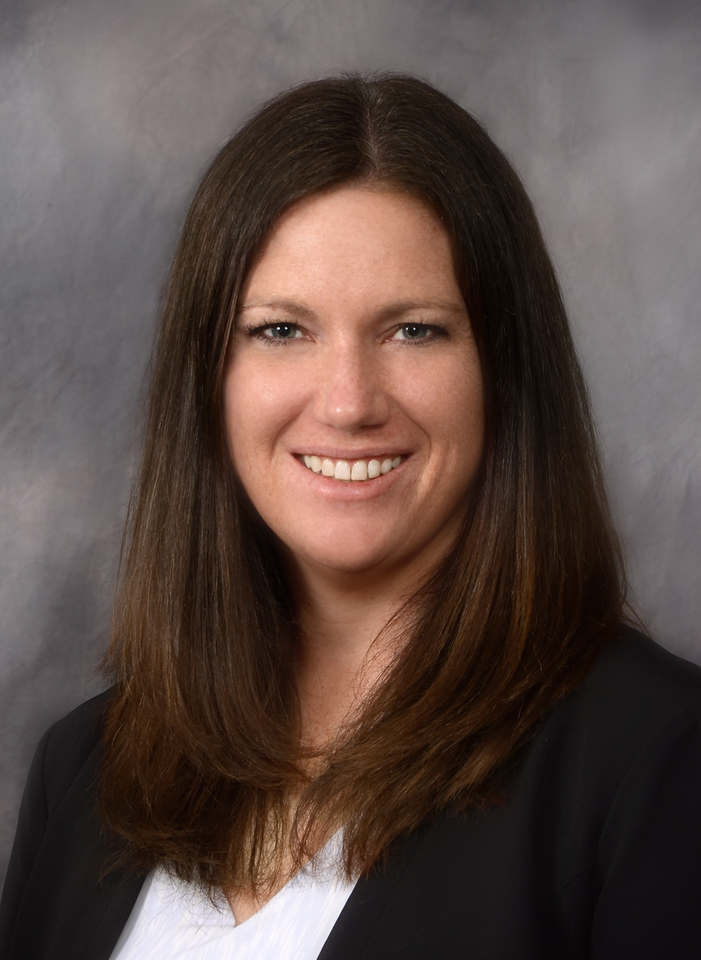
CHADRON – Since 2019, Dr. Tara Wilson, Professor of Counselor Education at Chadron State College, has helped lead the work of the Behavioral Health Education Center of Nebraska’s (BHECN) Panhandle Site, connecting students, behavioral health providers, and communities across the region.
As co-director with Dr. Cate Jones-Hazledine, Wilson draws on her experience as a CSC graduate and her ties to rural western Nebraska to help shape programs around local needs.
“Being local to the area, and a graduate of the CSC counseling program, I have firsthand experience of the needs of behavioral health in the Panhandle region,” Wilson said. “Partnering with BHECN was an opportunity I didn’t want to miss.”
The BHECN Panhandle Site works to recruit and retain behavioral health providers by creating opportunities for students and professionals to network, learn about career paths, and connect with training and funding. Those connections can lead to practicum and internship placements and help students explore careers in rural communities.
The work also gives students a chance to meet clinicians serving the region and learn about the range of roles in behavioral health. Through campus events, networking opportunities and conversations with providers, students can begin building professional relationships while still in training. Wilson said those connections can help students find placements and learn about support that may make graduate study and entry into the field more accessible.
Jones-Hazledine said Wilson has helped keep BHECN’s statewide workforce mission grounded in the needs of rural western Nebraska.
“Needs of our area are different, and Dr. Wilson helps keep those in the forefront as we move forward with our BHECN Panhandle Site activities,” Jones-Hazledine said.
The partnership has expanded its reach since the BHECN Panhandle Site was formed. From August 2025 through June 2026, the BHECN Panhandle Site hosted or took part in 28 events in nine cities, drawing 525 connections and attendees, Wilson said. Its advisory board has also grown, bringing together more agencies and professional disciplines.
Among the work Wilson values most are opportunities that directly support students, including the Graduate Trainee Support Program and BHECN Scholars. She also works with campus groups, including CSC’s Social Work and Psychology Club, to develop events and introduce students to behavioral health careers.
Wilson and Jones-Hazledine also host an annual conference for providers, with programming tailored to current needs in the Panhandle. Last year, they replaced the traditional conference with a Rural Provider Retention Workshop at Camp Norwesca. Participants were able to attend professional presentations and take part in experiential learning opportunities to help reduce burnout.
Wilson has also supported FARM CAMP, Jones-Hazledine’s brainchild. The camp was moved from Rushville to CSC’s campus, where high school participants can experience college life and receive mentorship and behavioral health programming. The campus setting gives participants an opportunity to see what higher education can look like, especially for students who had not previously considered attending, Wilson said.
Jones-Hazledine said Wilson has strengthened the connection between BHECN and the training available at CSC, including helping students access funding and connecting the BHECN Panhandle Site with experts across the state college system.
“When we can assist local students to those opportunities it increases the likelihood that they will find a career opportunity in our rural setting, and our local people benefit as a result,” Jones-Hazledine said.
Category: Counseling, Employee Awards & Achievements, Psychological Sciences